Pre-Construction Timeline for a Custom Home (0–10+ Months Explained)

Before a shovel ever hits the ground, a custom home goes through an extensive pre-construction phase. This stage is where clarity is built—on budget, design, feasibility, and expectations.
While often underestimated, pre-construction is the single most important phase of a successful custom home build.
Below is a breakdown of what happens during this critical stage and why it takes time.
What Is Pre-Construction?
Pre-construction includes everything that happens before construction begins, such as:
Land acquisition
Design and planning
Engineering
Budget refinement
Permitting and approvals
Depending on complexity and location, this phase typically lasts 6–10+ months, though land acquisition alone can extend the timeline.
PRE-CONSTRUCTION TIMELINE BREAKDOWN
PSA Signed
A PSA is a formal contract that defines how a builder provides pre-construction or advisory services before (or sometimes instead of) a full construction contract.
Think of it as the “planning and alignment” agreement that comes before ground is broken.
1. Land Acquisition (0–12+ Months)
Finding the right lot can take weeks—or more than a year.
During this phase:
Budget parameters are established
Desired locations are evaluated
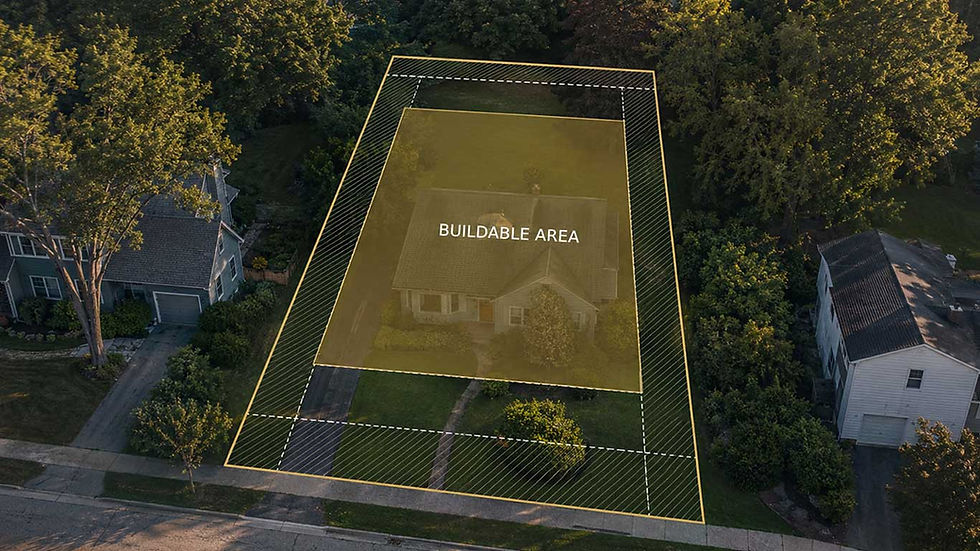
Zoning, utilities, and site conditions are reviewed
A builder assesses feasibility and red flags
Engaging a builder early helps prevent costly surprises related to excavation, utilities, and municipal requirements.
2. Design & Planning (3–9 Months)
This is where your vision becomes a viable plan.
Includes:
Conceptual architectural drawings
Schematic floor plans
Engineering coordination
Finish and system selections
Ongoing budget alignment
This phase is collaborative and iterative by design—refinements here save time and money later.
3. Permitting & Approvals (3–5+ Months)
Local municipalities review:
Zoning compliance
Engineering plans
Structural and building codes
It’s common for plans to go through multiple review cycles. A builder familiar with local requirements can significantly reduce delays.
Why This Phase Matters So Much
Pre-construction sets the foundation for:
Budget accuracy
Schedule reliability
Construction efficiency
Long-term quality
Skipping or rushing this phase often leads to redesigns, delays, and cost overruns once construction begins.
Pre-Construction Timeline Infographic
This visual breakdown shows how each phase fits together and why timelines vary from project to project.

Want the Full Picture?
The Custom Home Building Guide includes:
Both timeline infographics: Pre-Construction and Construction Timelines
Detailed explanations of each phase
Planning checklists and expert insights