How Much Can I Actually Change?
- Jarrett Svendsen
- May 14
- 3 min read

This is a fair question. Many assume that once construction begins, every major decision is locked in. However, that is not always true. Depending on the stage of construction, there may still be meaningful opportunities to personalize the home and shape how it finishes. The key is understanding what tends to be fixed, what may still be flexible, and how timing affects both.
First, It Depends on Where the Home Is in the Process
Customization is often stage-dependent. In general, the earlier you step into the process, the more flexibility may exist. As construction progresses, some decisions naturally become harder—or impractical—to change. That does not mean customization disappears. It means it needs to be understood in context.
What Is Often Already Fixed
Some decisions may already be established by the time a buyer steps in. These often include foundational elements such as:
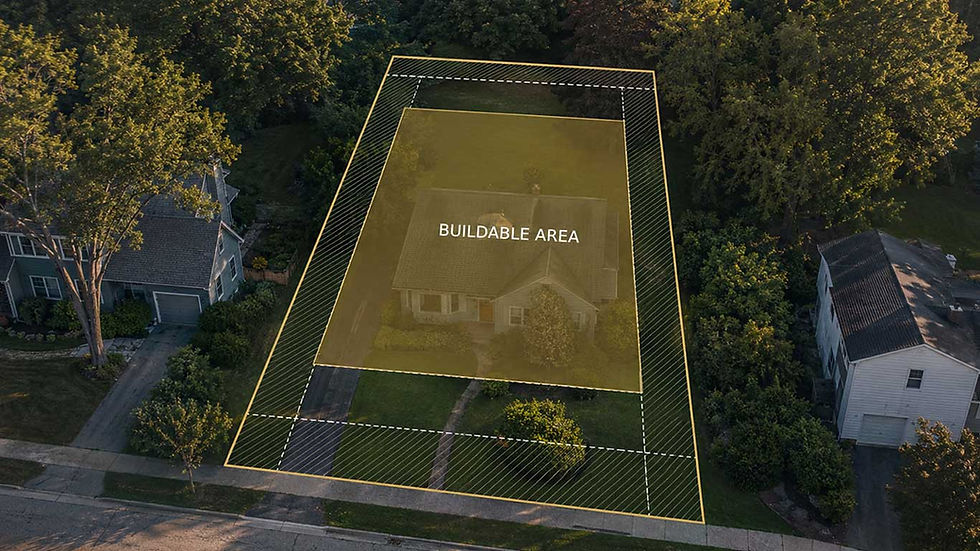
Site Positioning: How the home sits on the lot is often set early. This may include:
- Orientation for natural light
- Setback relationships
- Drive and site access planning
- Grading and drainage strategies
These decisions are often best made early and tend to stay in place.
Core Structural Framework
Depending on timing, elements like these may already be defined:
Primary framing layout
Major structural engineering decisions
Core footprint dimensions
Load-bearing wall locations
Roof structure
These are not typically the easiest changes to make later.
Core Performance Systems
Some foundational systems may also already be specified, such as:
Wall assemblies
Insulation strategy
Mechanical system approach
Window specifications
Other performance-related decisions
In many cases, this can be a benefit. These are often some of the most important decisions in the home.
What May Still Be Open for Customization
This is where many buyers are surprised. Depending on timing, there may still be significant opportunities to influence how the home lives and feels.
Interior Finish Selections
This may include:
Cabinetry
Countertops
Flooring
Tile
Plumbing fixtures
Decorative lighting
Interior trim and finish details
These selections can significantly shape the character of the home.
Inspirational design selections ideas that are planned but can still be changed and modified.
Feature Upgrades
In many cases, upgrades may still be possible, such as:
Built-ins
Specialty storage
Appliance packages
Fireplace details
Outdoor living enhancements
Select technology integrations
These decisions can often add strong personal value.
Inspirational room ideas that are planned or can still be added to the home.
Select Layout Refinements
Depending on stage, some layout adjustments may still be possible. Examples may include:
Refining room functions
Adjusting certain interior relationships
Reworking non-structural elements
Evaluating opportunities for customized built-ins or specialized spaces
This is often highly project-specific. But it can be worth exploring.
Where Buyers Often Get the Most Impact
Not every change carries equal value. In many cases, the highest-impact customization happens in areas that affect daily living most:
Kitchen design
Primary suite details
Lighting
Storage
Materials and finishes
Outdoor connections
These are often the decisions where the home starts to feel distinctly yours.
Common Misconception: “If It’s Already Being Built, It Won’t Feel Custom”
This is one of the biggest misconceptions. Custom does not only mean making every decision from day one. Sometimes it means stepping into a well-considered foundation and shaping the decisions that matter most to you. Those are two different paths. Both can lead to a very personal home.
The Most Important Question Is Not “What Can I Change?”
It is: "What can I still change well?" That is a better question. Good customization is not about changing everything possible. It is about making the right decisions at the right stage.
A Real-World Example
Our current Custom Home Build in Progress sits in this exact conversation. The home's foundational direction is established.

And there is still an opportunity for the right buyer to influence how the home finishes, including personalization and select design decisions based on timing. That balance—between structure and flexibility—is what makes this opportunity unique.