Breaking Down the Stages of Custom Home Building

Building a custom home is an exciting journey filled with creativity, decisions, and milestones. Whether you’re planning a high-end residence in Chicagoland or simply curious about the process, breaking down the stages of custom home building can help you feel confident and prepared.
We'll walk you through the essential steps involved in constructing a custom home. From initial planning to the final walkthrough, each stage plays a critical role in shaping your dream home. Let’s dive in.
Understanding the Stages of Custom Home Building
Custom home construction is a complex process that requires careful coordination and expertise. Typically, the journey can be divided into several key stages:
Pre-Construction Planning
Site Preparation and Foundation
Framing
Mechanical, Electrical, and Plumbing (MEP) Installation
Interior and Exterior Finishes
Final Inspections and Move-In
Each stage builds upon the previous one, ensuring that your home is structurally sound, aesthetically pleasing, and tailored to your lifestyle.
Pre-Construction Planning
Before any physical work begins, thorough planning is essential. This stage involves:
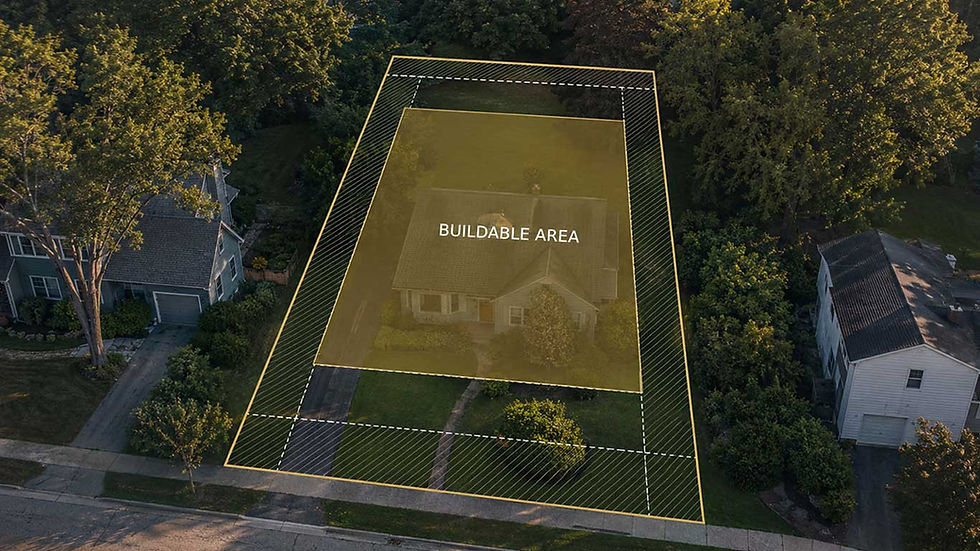
Selecting the Lot: Choosing the right location in Chicagoland is crucial. Factors like neighborhood, school districts, and proximity to amenities influence your lifestyle and property value.
Design and Architecture: Collaborate with architects and designers to create blueprints that reflect your vision. This includes floor plans, elevations, and material selections.
Permits and Approvals: Securing necessary permits from local authorities ensures your project complies with zoning laws and building codes.
Budgeting and Scheduling: Establish a realistic budget and timeline. This helps manage expectations and avoid surprises later.
Taking the time to plan thoroughly sets a strong foundation for the entire project.

Site Preparation and Foundation
Once planning is complete, construction begins on-site. This stage includes:
Clearing and Excavation: The lot is cleared of trees, rocks, and debris. Excavation prepares the ground for the foundation.
Foundation Installation: Depending on your home design and soil conditions, this could be a slab, crawl space, or basement foundation. Proper foundation work is critical for structural integrity.
Utilities Setup: Initial connections for water, sewer, and electricity are established.
This phase requires precision and expertise to ensure your home stands strong for decades.
What is a Construction Methodology?
Construction methodology refers to the systematic approach and techniques used to build a structure efficiently and safely. It encompasses:
Project Management: Coordinating schedules, resources, and subcontractors.
Building Techniques: Choosing methods like stick framing, modular construction, or insulated concrete forms based on design and budget.
Quality Control: Implementing inspections and standards to maintain high workmanship.
Safety Protocols: Ensuring the site complies with safety regulations to protect workers and future occupants.
Understanding construction methodology and the science inside the walls of your home helps you appreciate the complexity behind your custom home and the expertise required to deliver a quality build.

Framing
Framing is often called the "skeleton" of the house. It defines the shape and structure of your home. This stage involves:
Building the Frame: Erecting walls, floors, and roof structures using wood or steel.
Installing Sheathing: Adding exterior panels to strengthen the frame and provide a base for siding.
Windows and Doors: Rough openings are framed to accommodate future installation.
Framing is a visible milestone that transforms your plans into a tangible structure.
Mechanical, Electrical, and Plumbing (MEP) Installation
With the frame in place, the next step is installing essential systems:
Plumbing: Pipes for water supply and drainage are laid out.
Electrical: Wiring for lighting, outlets, and appliances is installed.
HVAC: Heating, ventilation, and air conditioning systems are set up.
This stage requires licensed professionals to ensure safety and compliance with building codes. Proper coordination here prevents costly fixes later.
Interior and Exterior Finishes
Now your home starts to take shape aesthetically and functionally:
Insulation and Drywall: Walls and ceilings are insulated and covered.
Flooring and Cabinets: Hardwood, tile, or carpet are installed along with cabinetry.
Painting and Trim: Walls are painted, and finishing touches like baseboards and crown molding are added.
Exterior Work: Siding, roofing, and landscaping complete the outside appearance.
Attention to detail during this phase enhances comfort and curb appeal.
Final Inspections and Move-In
Before you can move in, your home must pass several inspections:
Building Inspection: Verifies structural safety and code compliance.
Systems Testing: Ensures plumbing, electrical, and HVAC function properly.
Punch List: A final walkthrough identifies any minor issues to be corrected.
Once approved, you receive the keys and can start enjoying your custom-built home.
Navigating the Construction Stages Custom Home Process
If you want to explore more about the construction stages custom home process, it’s helpful to work with a builder who offers transparency and expertise. They can guide you through each phase, answer questions, and provide updates.
Building a custom home is a significant investment of time and resources. Understanding the stages helps you stay informed and engaged, ensuring the final result matches your vision.
Final Thoughts on Building Your Dream Home
The journey through the stages of custom home building is both rewarding and educational. By breaking down each phase, you gain clarity on what to expect and how to prepare. From careful planning to the final inspection, every step contributes to creating a home that is uniquely yours.
Remember, patience and communication with your builder are key. With the right approach, your custom home will not only meet your needs but also stand as a testament to quality and craftsmanship for years to come.